Choosing the right roofing material is an important decision for any commercial property owner. Whether you manage a warehouse, office building, retail unit or industrial facility, your roof needs to withstand the Scottish weather, protect your premises and provide reliable long-term performance.
At Balmore Ltd, we understand that every commercial building has different requirements. Some roofs need a complete replacement, while others may benefit from refurbishment or targeted repairs. The right solution depends on the building’s structure, existing roof condition, drainage requirements and budget.
If you are looking for a reliable commercial roofer in Scotland, understanding the available flat roofing materials will help you make an informed decision. Here, we explore some of the most widely used commercial roofing systems and explain what to consider before choosing one for your property.

Single-Ply Membrane Roofing
Single-ply membrane roofing is a popular option for commercial and industrial flat roofs. It uses a flexible waterproof membrane installed over the appropriate roof structure and insulation, making it suitable for many modern roofing projects.
Depending on the specification, membranes may be made from materials such as PVC or TPO. Installers typically join compatible membrane sheets using hot-air welding, creating watertight seams when installed correctly.
Key benefits include:
- Lightweight construction that places relatively little additional load on the roof.
- Efficient installation across large roof areas.
- Flexible waterproofing solutions for suitable commercial buildings.
- Compatibility with a range of roof insulation and refurbishment systems.
Single-ply membranes can suit warehouses, factories, offices and other commercial premises. However, the membrane type, fixing method and detailing around rooflights, outlets and equipment all influence performance.
As an experienced commercial roofing contractor, we recommend assessing the complete roofing system rather than choosing a membrane based on price alone. Proper installation and drainage are essential to achieving a dependable result.
GRP Flat Roofing
Glass Reinforced Plastic (GRP), commonly known as fibreglass roofing, creates a hard, continuous waterproof surface. Installers apply resin and reinforcing glass fibre to a suitable substrate, forming a seamless finish once the material cures.
GRP is particularly useful for smaller flat roof areas and sections with detailed edges or junctions. It may also suit certain commercial applications where the roof design supports a rigid fibreglass system.
Key benefits include:
- A continuous waterproof surface without conventional sheet-membrane laps.
- Resistance to normal weather exposure when correctly specified.
- A durable finish with relatively straightforward routine maintenance.
- Useful detailing options for suitable roof shapes and smaller sections.
However, GRP is not automatically the best choice for every large commercial roof. Movement in the underlying deck, installation conditions and the size of the area can affect its suitability.
A commercial roofer should inspect the substrate and consider how the roof will be used before recommending this system. For larger industrial buildings, alternative membranes or metal roofing solutions may offer a more appropriate fit.
EPDM Rubber Roofing
EPDM is a synthetic rubber membrane used in many flat roofing applications. Its flexibility and ability to accommodate normal movement make it an option worth considering for suitable commercial roofs.
Installers can supply EPDM in large sheets, reducing the number of joints across some roof layouts. The membrane can provide reliable waterproofing when the contractor prepares the surface correctly and secures the edges, penetrations and other vulnerable areas.
Key benefits include:
- Flexible material that accommodates normal building movement.
- Good resistance to outdoor weathering when correctly installed.
- Relatively low routine maintenance requirements.
- Suitability for certain simple roof layouts with limited penetrations.
EPDM can work well on selected commercial buildings, but the roof’s size, geometry, wind exposure and fixing requirements must guide the specification.
Scottish properties also face persistent rain, strong winds and seasonal temperature changes. Consequently, edge detailing, secure attachment and effective drainage deserve as much attention as the membrane itself.
Before choosing EPDM, ask your commercial roofing specialist to assess whether the system suits the existing roof deck and the building’s long-term requirements.

Bitumen Felt Roofing
Bitumen felt remains an established option for flat roofing. Built-up systems generally use several layers of bitumen-based roofing felt to create a waterproof covering.
Although newer membrane technologies offer alternatives, felt roofing can still suit certain commercial projects, particularly where the existing roof construction and refurbishment requirements favour a compatible system.
Key benefits include:
- Familiar installation and repair methods.
- Options for multi-layer waterproofing systems.
- Suitability for selected refurbishment and replacement projects.
- Potentially economical solutions for appropriate roof layouts.
The quality of the materials, preparation and installation has a considerable influence on the finished roof. Poorly formed joints, damaged coverings and inadequate drainage can contribute to leaks and premature deterioration.
Some felt systems also involve heat or open-flame application, which requires appropriate fire precautions and safe working procedures.
For business owners comparing commercial roofing services in Scotland, the lowest initial quote may not offer the best long-term value. Consider the roof’s expected maintenance requirements, installation risks and overall suitability before making a decision.
Metal Roofing Systems
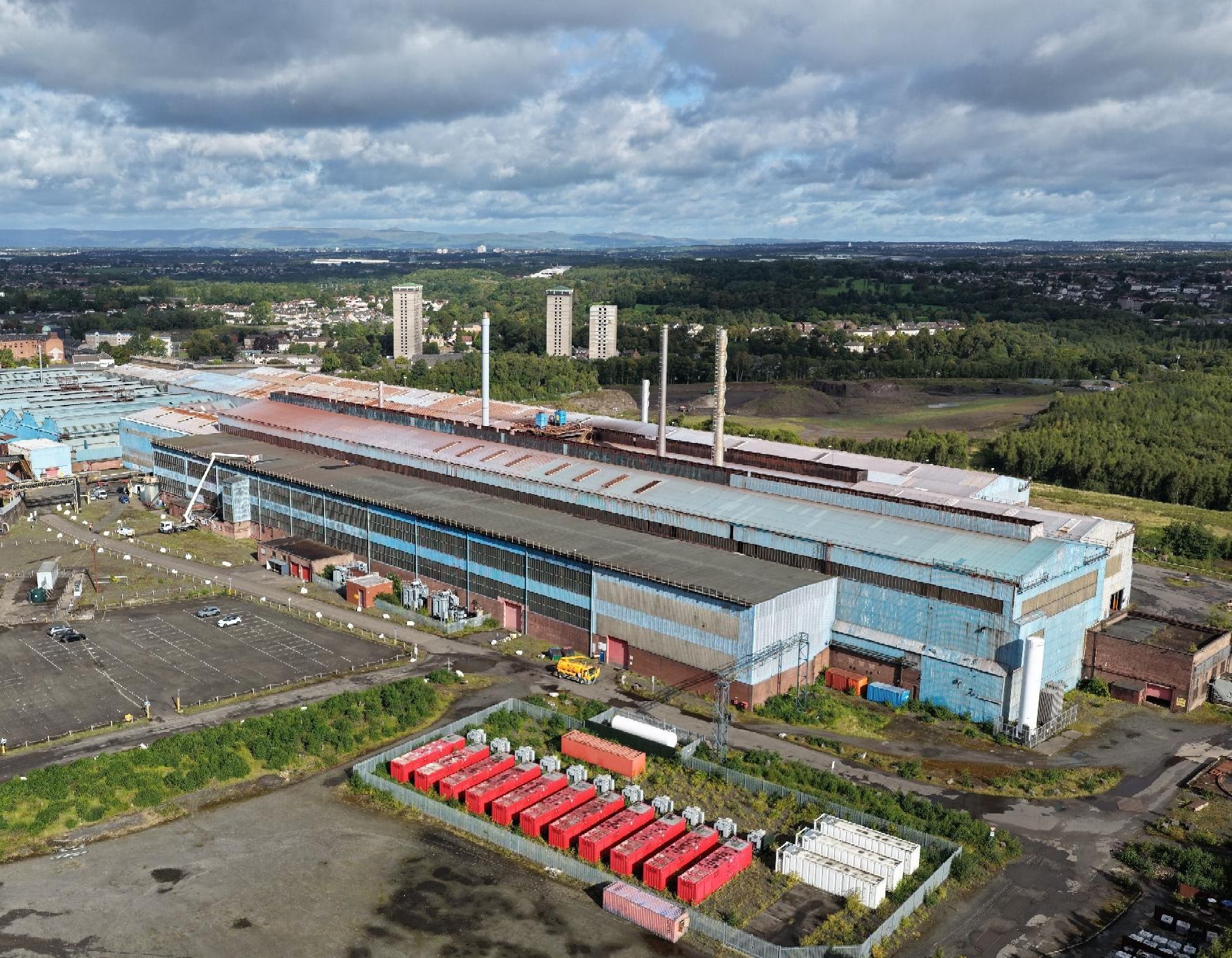
Metal roofing is widely used on industrial buildings, factories and warehouses. Profiled metal sheets and insulated composite panels are common options, particularly where the roof design incorporates a pitch rather than a completely flat surface.
Metal systems can also form part of certain commercial refurbishment and overcladding projects, depending on the existing construction and structural requirements.
Key benefits include:
- Strong, durable coverings when correctly specified and installed.
- Efficient coverage of large industrial roof areas.
- Options for incorporating insulation into composite panels.
- Compatibility with a range of industrial building designs.
Metal roofing requires careful attention to fixings, joints, corrosion protection, thermal movement and water run-off. The correct specification will depend on the building’s exposure, roof pitch and intended use.
For commercial property owners planning warehouse roofing or industrial roof replacement, a professional survey can help establish whether a metal system is appropriate or whether another covering would provide better value.
How Do You Choose the Right Commercial Roofing Material?
There is no single roofing material that works best for every commercial building. Before selecting a system, consider the following factors.
- Weather resistance: Scottish roofs must cope with frequent rainfall, wind exposure and changing temperatures. Choose a system suited to the property’s location and exposure.
- Existing roof condition: The roof deck, insulation, waterproofing and drainage all influence the options available. A survey can establish whether repairs, an overlay or complete replacement is appropriate.
- Building use: Warehouses, offices and factories have different requirements. Roofs accessed regularly for equipment servicing may need designated walkways or additional protection.
- Energy efficiency: Insulation and airtightness can influence heat loss and operating costs. When replacing a roof, consider whether the proposed build-up offers an opportunity to improve thermal performance.
- Whole-life cost: Compare installation costs alongside maintenance, potential repairs, expected service life and disruption to business operations.
- Contractor experience: An experienced commercial roofer should explain the available systems, identify potential issues and recommend a solution based on the building rather than simply promoting one material.
Why Professional Commercial Roofing Matters
A roof protects more than the building itself. Leaks can damage stock, equipment and internal finishes, disrupt daily operations and create additional repair costs.
Regular inspections help identify problems such as deteriorating coverings, blocked outlets, damaged flashings and water pooling before they develop into more serious issues. Planned maintenance can also help businesses budget for repairs and manage their roofing assets more effectively.
At Balmore Ltd, we provide commercial and industrial roofing services across Scotland, including roof installations, repairs, refurbishment and scheduled maintenance. Our services also include flat roofing systems, cladding, gutter repairs and relining.
With our own in-house rope access team, access equipment and drone inspection capabilities, we can assess a range of roofing and building maintenance requirements. We tailor our approach to the property and the work involved, helping commercial clients identify suitable solutions for their buildings.
Speak to Balmore About Your Commercial Roofing Requirements
Choosing the right flat roofing material can help protect your commercial property, manage maintenance requirements and support the long-term performance of your building. Whether you are considering single-ply membrane roofing, GRP, EPDM, felt or a metal roofing system, start with a professional assessment of your property.
At Balmore, we work with commercial and industrial clients across Scotland to provide roofing installations, repairs and maintenance tailored to their needs.
Looking for a reliable commercial roofer in Scotland? Contact Balmore to discuss your roofing requirements and arrange a suitable assessment for your commercial property.









Quotes & Enquiries
At Balmore, we offer the expertise of four decades in difficult access works including roofing, rope access, industrial cleaning and drone inspection services. Our one stop shop approach to inspection, repair and cleaning has grown through our desire to constantly exceed our clients expectations and offer a service that is far superior to our competitors.
Please fill in the form outlining your requirements and our contract team will be able to provide you with a bespoke quotation for your inspection, repair or cleaning needs.