
When hiring lightning protection services, facility managers often default to the cheapest option: find someone who shows up, get a quote, and move on. That approach works fine for a leaking tap. It doesn’t work for a system designed to intercept a lightning strike carrying tens of kiloamperes and route that current safely to earth without injuring anyone or destroying your building’s electrical infrastructure.
The real cost of a poor installation doesn’t show up on day one. It shows up at your next compliance inspection, when your insurer asks for documentation you don’t have, or when a strike exposes the fact that the system was never properly earthed. A lightning protection system that looks complete from the outside can be fundamentally non-compliant in ways that aren’t visible without testing, think poor earthing resistance or discontinuous bonding. That’s what makes contractor selection genuinely important.
The seven things below are a practical filter. They separate a contractor who designs, installs, certifies, and maintains a fully compliant lightning protection system from someone who attaches a rod to your roof and hands you a one-page invoice. The best-performing facilities treat this work as part of a wider building integrity program, not a standalone compliance tick-box. This checklist lets you apply that standard to any provider you’re evaluating.

What lightning protection services actually cover?
Many buyers assume it’s simple: attach a spike, run a cable, connect it to ground. A complete lightning protection system (LPS) is more involved than that. A lightning protection system includes four distinct external components that installers must design and install as a coordinated whole: the air termination system (the rods, mesh, or conductors that intercept the strike), the down conductors (which carry current to earth), the earth electrode system (which safely disperses the current into the ground), and equipotential bonding (which prevents dangerous voltage differences between metalwork inside and around the building).
A fifth element, surge protective devices (SPDs) on incoming power and data lines, is required under BS EN 62305-4, but sometimes omitted by less thorough contractors. BS EN 62305, the UK and European standard for lightning protection, treats all four external components plus internal surge protection as a coordinated system. A quote that doesn’t address all five is quoting an incomplete job. Knowing that upfront makes the rest of this checklist considerably easier to apply.
Things 1 and 2: Risk assessment and system design
Thing 1: A formal lightning risk assessment before any design starts
A qualified provider conducts a documented risk assessment under BS EN 62305-2 before any design work begins. This is not a preliminary formality. It’s the foundation that the entire system design rests on. The assessment examines site location, building height, construction materials, occupancy type, contents, surrounding environment, and any existing protection measures already in place. The result defines the Protection Level required and determines whether structural LPS, surge protection, or both are needed for your specific building.
The report must contain enough to satisfy an insurer or regulator. That means a named standard or methodology, a complete input data set showing how the result was derived, a calculated risk-versus-tolerable-risk comparison, and clear mitigation recommendations with professional sign-off. A report that reads like a general description without showing the calculation inputs and outcomes will not hold up under scrutiny. Any contractor who skips the risk assessment and goes straight to a quote is guessing at the protection level. That’s not compliant work, and it creates liability you’ll carry, not them.
Thing 2: A system design that specifies every component
The design output should be a proper document: air termination layout, down conductor routing and quantity, earth electrode configuration (ring earth, rod electrodes, or foundation earth), bonding arrangements for structural metalwork, and SPD specifications for power and signal lines. Design drawings should be included. For a small commercial building, a full LPS typically runs £3,000 to £6,000 based on current UK market estimates. A large industrial site ranges from £30,000 to over £100,000, depending on complexity, roof area, and protection class. A detailed design is what makes those numbers defensible to a finance team and verifiable to a compliance inspector.
Contractors who hand over a vague scope of work with no design drawings are not delivering a compliant service. If the design doesn’t exist on paper, it can’t be inspected against, tested against, or maintained against. Ask for the design drawings as a standard part of the quote process, before you sign, not after. A contractor who resists that request at the proposal stage is showing you something important about how they’ll handle the rest of the job.
Things 3 and 4: Standards compliance and surge protection
Thing 3: Demonstrable BS EN 62305 compliance credentials
Ask directly: Has the contractor trained and certified its team to design and install systems to BS EN 62305? Request evidence of relevant qualifications, membership in recognised industry bodies such as ATLAS (the Association of Technical Lightning and Access Specialists), and examples of past installations with compliance documentation. In the UK, no single statutory licence covers lightning protection work, so contractors demonstrate competence through training, certification, industry-body membership, and documented experience with the standard. A contractor who cannot provide that combination creates unnecessary risk.
At the installation level, BS EN 62305 compliance requires the contractor to match the protection class to the risk assessment outcome, correctly size and route conductors, position air terminals properly, and maintain minimum separation distances from combustible materials and other metalwork to prevent dangerous side flash.
For projects spanning US and UK sites, it’s worth noting that IEC 62305 is the international parent standard and NFPA 780 is the US equivalent. A competent contractor will know which applies to the project and reference it explicitly in their documentation.
Thing 4: Surge protection and bonding included in the scope
Internal protection is where many installations fall short. BS EN 62305-4 requires surge protective devices on incoming power lines: Type 1 SPDs at the service entrance, Type 2 in distribution boards, and Type 3 close to sensitive equipment. Signal, data, and telecoms lines require their own protection where applicable. This is not optional for a compliant installation; it’s a required part of the standard.
Equipotential bonding of structural steel, rooftop metalwork, pipework, and cable trays prevents dangerous potential differences during a strike, differences that can injure people and destroy equipment nowhere near the strike point. If a provider’s quote excludes surge protection with no explanation, ask why. Push for specifics. Any contractor with genuine BS EN 62305 experience will be able to explain the omission in technical terms. One who can’t is telling you more than they intend to.

Things 5 and 6: Testing, certification, and documentation
Thing 5: Witnessed testing and a formal installation certificate
Post-installation testing is not a formality. It verifies continuity of conductors and bonds, confirms that earth electrode resistance and impedance are within design parameters, and checks that SPDs are correctly installed and functioning. These are the tests that confirm the system will actually perform as designed when it matters. Skipping them doesn’t save time; it removes the only objective evidence that the installation is compliant.
The installation certificate must contain: the date of verification, a statement that the system was installed to the approved design and the relevant standard, confirmation of test results, and the name and qualification of the responsible engineer. A reputable contractor also produces an inspection report that records what was checked, what tests were performed, and any deficiencies found before sign-off. Clients should receive this as part of the handover pack, not have to chase it up six months later.
Thing 6: What lightning protection services must you hand over, and what your insurer will actually accept
At practical completion, you should receive: the risk assessment report, the system design drawings, the installation certificate, test records covering earth resistance, continuity, and SPD checks, and a recommended maintenance and inspection schedule. Insurers and regulators increasingly ask for evidence of standards-compliant installation. A job that was never properly documented is a liability regardless of how well the hardware was physically installed.
Ask the contractor upfront what documentation they provide at handover. A hesitant or vague answer is a clear signal to look elsewhere. A specific, confident answer with examples tells you they’ve done this properly before. This single question eliminates a large number of underprepared providers quickly.
Thing 7: A maintenance and inspection program that keeps the system valid
Thing 7 stands alone because it’s the one most asset owners treat as optional, and the one that determines whether the other six still hold up in two years.
What regular inspections must cover?
A lightning protection system degrades over time. Conductors corrode. Connections loosen. Earthing effectiveness changes as soil conditions shift. Structural alterations, roof replacements, and building modifications can all invalidate parts of the original design. A system that passed inspection three years ago and has never been touched since may no longer be compliant today.
BS EN 62305 expects periodic inspection and testing. Higher-risk sites and those in harsh environments are typically inspected annually. Lower-risk installations in stable environments are commonly inspected every two to four years, depending on occupancy risk and environmental exposure. Any known lightning strike or significant storm warrants an immediate check regardless of the regular schedule. Each inspection should cover visual checks of air terminals and conductors, continuity testing of down conductors and bonds, earth resistance measurement, and SPD status checks, including replacement of any units showing end-of-life indicators.
The maintenance schedule your provider should hand over
A qualified contractor provides a written maintenance schedule at handover that specifies inspection frequency, the scope of each inspection type, trigger events for unscheduled checks, and an SPD replacement protocol. If that schedule isn’t included at handover, the provider hasn’t finished the job. Maintenance documentation is part of the service. Treating it as an optional upsell is a reliable sign that this is not a contractor who takes compliance seriously.
Why is an integrated contractor the smarter choice for most asset owners?
Many lightning protection contractors work as single-discipline specialists, independent from the other trades on a building. That creates a coordination problem: the lightning protection contractor needs roof access at the same time as the roofer, structural metalwork needs to be bonded by someone who also understands the building fabric, and the inspection schedule needs to align with the broader asset maintenance program. For facility managers already managing multiple contractors, adding another specialist to that list compounds the overhead without adding proportional value.
An integrated approach directly addresses this issue by combining lightning protection installation and inspection with a broader building restoration and maintenance programme. Teams coordinate conductor routing, bonding of structural metalwork, and roof penetration sealing alongside roofing, stonework, and cladding work on the same structure instead of managing them as separate visits with separate invoices. This approach reduces scheduling friction, closes gaps between trades, and creates a single compliance record covering the asset’s full maintenance history. The Balmore Group follows this model by scoping and delivering lightning protection work alongside its wider building envelope and maintenance services, which particularly benefits NHS trusts, estate managers, and infrastructure operators managing complex programmes across multiple assets.
The checklist in this article still applies regardless of who you hire. But the contractor who checks all seven boxes and works across disciplines is harder to find and worth the effort.
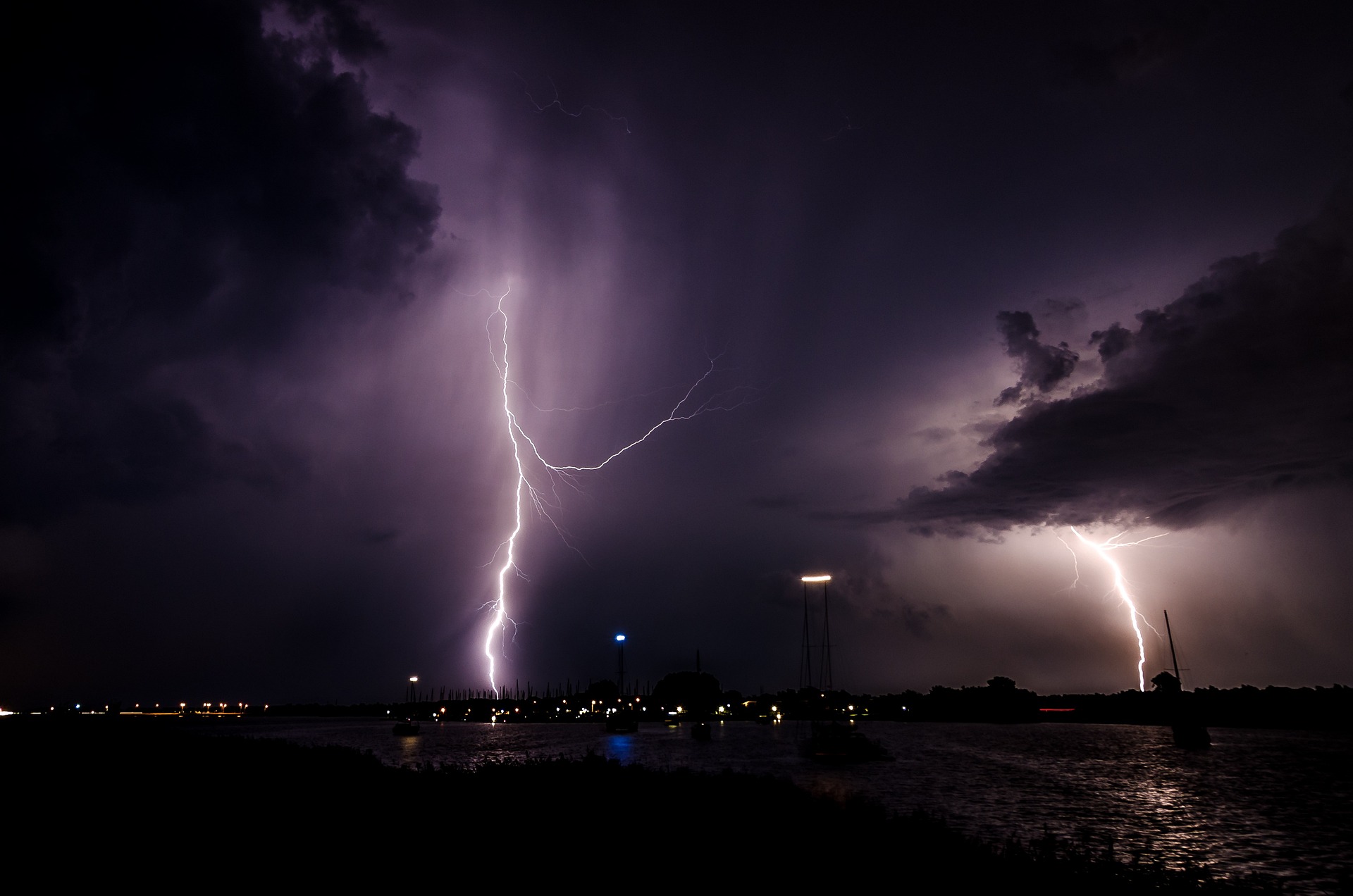
Run every provider through these seven points
Choosing the right lightning protection services provider is not a commodity decision. The difference between a compliant installation and a failed one comes down to seven specific deliverables, and most of them involve documentation and process, not just hardware. Price alone tells you almost nothing useful about what you’re actually getting.
Before your next inspection or new installation, put every provider through this checklist. Ask for the risk assessment methodology, the design drawings, the test records, the installation certificate, and the maintenance schedule. If they can’t produce all five on request, keep looking. A contractor who has delivered compliant work will hand over that documentation without hesitation because they already have it.
The buildings that manage lightning protection well are the ones that treat it as part of the asset’s maintenance lifecycle rather than a compliance exercise to be completed once and forgotten. Find a contractor who understands that, and you’ll spend less time managing the consequences of the work and more time trusting it. Contact us today.












Quotes & Enquiries
At Balmore, we offer the expertise of four decades in difficult access works including roofing, rope access, industrial cleaning and drone inspection services. Our one stop shop approach to inspection, repair and cleaning has grown through our desire to constantly exceed our clients expectations and offer a service that is far superior to our competitors.
Please fill in the form outlining your requirements and our contract team will be able to provide you with a bespoke quotation for your inspection, repair or cleaning needs.


